
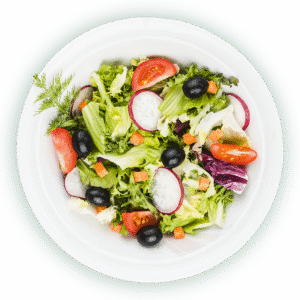
Balance Diet
10 Benefit of Balance Diet
A balanced diet refers to a daily food intake that provides all the essential nutrients required by the body in the right amounts and proportions to maintain good health, support growth, and prevent diseases. It includes a variety of foods from different food groups so that the body receives adequate energy, proteins, vitamins, minerals, fats, carbohydrates, and water. A balanced diet is important for people of all ages because it helps the body function efficiently and keeps both the mind and body healthy.
A balanced diet mainly consists of carbohydrates, proteins, fats, vitamins, minerals, fiber, and water. Each of these nutrients plays a specific role in the body. Carbohydrates are the main source of energy and are found in foods like rice, wheat, bread, potatoes, and cereals. They help the body perform daily activities and support brain function. Proteins are essential for growth, repair of body tissues, and building muscles. Good sources of protein include pulses, beans, milk, eggs, fish, meat, soybeans, and nuts.
Fats are also an important part of a balanced diet, though they should be consumed in limited amounts. Healthy fats provide energy, help absorb fat-soluble vitamins, and protect internal organs. Sources of healthy fats include vegetable oils, nuts, seeds, butter, and fish. However, excessive intake of fatty and fried foods can lead to obesity and heart diseases, so moderation is necessary.
Vitamins and minerals are protective nutrients that help regulate body processes and strengthen immunity. Vitamins such as A, B, C, D, E, and K are required for good eyesight, healthy skin, strong bones, proper digestion, and resistance to infections. Minerals like calcium, iron, phosphorus, iodine, and potassium are needed for strong bones, healthy blood, proper nerve function, and maintaining fluid balance. Fruits, vegetables, milk, green leafy vegetables, and whole grains are rich sources of vitamins and minerals.
Dietary fiber, also known as roughage, is another important component of a balanced diet. It helps in digestion, prevents constipation, and maintains gut health. Fiber-rich foods include whole grains, fruits, vegetables, and legumes. Though fiber does not provide energy, it plays a crucial role in keeping the digestive system healthy.
Water is often overlooked but is a vital part of a balanced diet. It helps in digestion, absorption of nutrients, regulation of body temperature, and removal of waste products. Drinking sufficient water every day is essential for overall health.
A balanced diet does not mean eating expensive or special foods; rather, it means eating the right kind of food in the right quantity at the right time. It also involves avoiding excessive consumption of junk food, sugary drinks, and highly processed foods, as these can harm health. Regular meals, proper portion control, and including a variety of foods are key aspects of a balanced diet.
In conclusion, a balanced diet is essential for maintaining good health, preventing diseases, and leading an active and productive life. It provides all the necessary nutrients that the body needs to grow, develop, and function properly. By following a balanced diet along with regular physical activity, a person can achieve overall well-being and long-term health.